
Body contouring treatment has become a popular choice for individuals seeking to refine their shape, enhance muscle definition, and eliminate stubborn fat that may not respond to diet or exercise alone. While the results of these treatments can be life-changing, understanding the recovery process and following proper aftercare is crucial for achieving long-lasting outcomes.
This article provides a comprehensive guide on what to expect during recovery, important aftercare practices, and tips to help individuals make the most of their body contouring treatment.
Understanding Body Contouring Treatment
Body contouring treatment refers to a range of procedures that reshape, tone, and sculpt the body. These can include surgical options such as liposuction and tummy tucks, as well as non-surgical methods like cryolipolysis, ultrasound, or radiofrequency treatments.
Goals of Body Contouring
The primary aim of body contouring is to enhance natural body shape by removing excess fat, tightening skin, and improving definition. Many people choose this treatment after significant weight loss, pregnancy, or simply when lifestyle changes do not provide the desired results.
Types of Body Contouring
Surgical procedures: Often involve removing excess skin and fat through incisions.
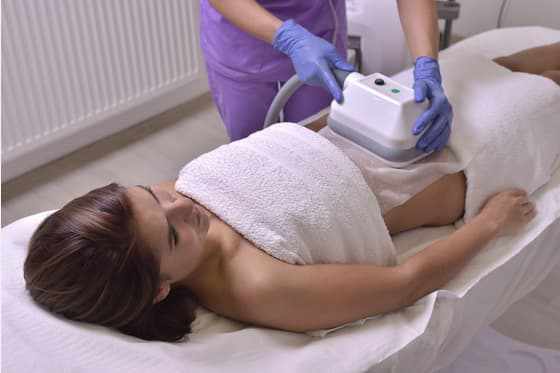
Non-surgical treatments: Use technology to break down fat cells and stimulate skin tightening without surgery.
Understanding the type of procedure received helps patients prepare for different recovery timelines and aftercare needs.
Recovery After Body Contouring Treatment
The recovery process varies depending on the type of treatment performed, the area of the body treated, and the individual’s overall health. While surgical methods usually require a longer healing time, non-invasive treatments typically have minimal downtime.
Immediate Post-Treatment Phase
In the first few days following body contouring treatment, it is common to experience swelling, bruising, and mild discomfort. Patients may also notice tightness or sensitivity in the treated areas.
Surgical recovery: Dressings, drains, and compression garments are often required to minimize swelling and support healing.
Non-surgical recovery: Mild redness or tenderness is common but usually subsides within a few days.
Short-Term Recovery (First 2 to 4 Weeks)
During this phase, the body begins to heal and adapt to its new contours. Swelling gradually decreases, and improvements in body shape may become noticeable. Patients are often advised to avoid strenuous activities while engaging in light movement to aid circulation.
Long-Term Recovery (Up to 6 Months)
Full results of body contouring treatment may take several months to appear as swelling resolves completely and tissues adjust. Patience during this stage is essential, as the final outcome becomes more visible over time.
Essential Aftercare Tips
Proper aftercare plays a significant role in enhancing recovery and ensuring long-lasting results.
Follow Medical Guidance
Strictly adhering to post-treatment instructions provided by healthcare professionals helps prevent complications and supports faster healing. This may include medication, wound care, or the use of compression garments.
Manage Swelling and Bruising
Compression garments: Often recommended after surgical procedures to reduce swelling and support tissues.
Cold compresses: Can be applied to ease discomfort and minimize bruising in non-surgical treatments.
Maintain a Healthy Lifestyle
Sustaining results from body contouring treatment requires ongoing commitment.
Balanced diet: Eating nutrient-rich foods supports healing and prevents weight gain.
Regular exercise: Once cleared by a medical professional, incorporating physical activity helps maintain results.
Hydration: Drinking sufficient water aids recovery and improves skin elasticity.
Protect the Skin
Skin in treated areas may be more sensitive after body contouring. Applying gentle moisturizers and sunscreen helps protect healing tissues and reduces the risk of pigmentation changes.
Avoid Smoking and Alcohol
Both smoking and excessive alcohol consumption can slow the healing process, reduce circulation, and interfere with recovery. Eliminating or minimizing these habits supports optimal outcomes.
Common Challenges During Recovery
Every individual’s healing process is unique, but some common challenges may occur:
Swelling and Fluid Retention
Persistent swelling is normal, especially after surgical procedures. Wearing compression garments and following professional advice helps manage this.
Temporary Numbness or Sensitivity
Nerve endings may take time to adjust after body contouring treatment. Mild numbness or tingling is common and usually improves gradually.
Emotional Adjustment
Some patients experience emotional ups and downs during recovery. It may take time for final results to be visible, and patience is key to appreciating the transformation.
When to Seek Medical Attention
While minor discomfort and swelling are part of normal recovery, there are situations that require professional evaluation:
Persistent or severe pain not relieved by medication
Excessive swelling or sudden fluid buildup
Signs of infection, including redness, fever, or unusual discharge
Difficulty breathing or chest pain after surgical treatments
Seeking timely medical support ensures that complications are addressed early.
Long-Term Care After Body Contouring
To maintain the benefits of body contouring treatment, individuals should adopt long-term care practices.
Consistent Fitness Routine
Incorporating cardiovascular exercise, strength training, and flexibility routines helps sustain results by preventing fat accumulation and promoting muscle definition.
Weight Management
Significant weight fluctuations can alter the outcome of body contouring. Maintaining a stable weight ensures that the sculpted appearance remains intact.
Skin Care Regimen
Long-term use of moisturizers, exfoliants, and sun protection keeps the skin firm and healthy, complementing the results of body contouring.
Conclusion
Body contouring treatment can provide remarkable improvements in shape and confidence, but the recovery and aftercare process is just as important as the procedure itself. By following professional guidance, maintaining a healthy lifestyle, and practicing patience, individuals can enjoy lasting results that enhance both their physical appearance and overall well-being.
With the right approach to recovery and aftercare, body contouring becomes more than just a treatment. It transforms into a sustainable step toward long-term body confidence and health.





Write a comment ...